Table of Contents
Social media marketing confusion is costing you customers and cash flow right now.
I’ve watched countless business owners chase myths that drain their budgets and destroy their results. You’re probably falling for at least three of these costly misconceptions without even knowing it.
This guide is for small business owners, entrepreneurs, and marketing managers who want real social media results instead of vanity metrics and empty promises.
I’ll expose the truth behind the “post daily or die” pressure that’s burning out your team. You’ll discover why chasing followers instead of engagement kills your conversion rates. I’ll also show you how to measure actual ROI from your social media efforts, because yes, it’s absolutely possible when you track the right metrics.
Stop wasting time on strategies that worked five years ago. Let me help you build a social media marketing approach that actually grows your business.
You Need to Post Every Day to Stay Relevant
Quality content beats quantity every time
I’ve seen countless businesses exhaust themselves trying to maintain a daily posting schedule, only to watch their engagement rates plummet. The harsh reality? Your followers would rather see one amazing post per week than seven mediocre ones. When I focus on crafting content that truly resonates with my audience, I consistently see higher engagement rates, more meaningful comments, and better conversion rates than when I was frantically pushing out daily updates, which is important in social media marketing.
Think about your own social media marketing strategies. Do you engage more with accounts that flood your feed with repetitive content, or those that share something genuinely valuable when they have something worth saying? I know my answer, and I bet yours is the same. Quality content takes time to research, create, and polish. When I invest that time, my posts perform significantly better across all metrics that actually matter for my business.
Your audience prefers meaningful posts over spam
My followers have made it crystal clear through their behavior: they want substance, not noise. When I shifted from daily posting to strategic, value-driven content, my comment quality improved dramatically. Instead of getting generic “great post” responses, I started receiving thoughtful questions, genuine shares, and direct messages from people wanting to learn more about my social media marketing services.
Social media marketing works best when it feels like a conversation, not a broadcast. I’ve noticed that my audience actually appreciates the breathing room between posts. It gives them time to digest, engage, and even anticipate what I’ll share next. This approach has built stronger relationships with my community than any daily posting strategy ever did.
Daily posting leads to creator burnout and poor performance
I learned this social media marketing lesson the hard way. When I was posting daily across multiple platforms, my content quality suffered, my stress levels skyrocketed, and ironically, my business results got worse. The pressure to constantly produce fresh content meant I was recycling ideas, rushing through creation, and posting just to maintain my arbitrary schedule.
The burnout was real. I found myself dreading content creation instead of enjoying it. My creativity suffered, and it showed in my engagement metrics. Once I gave myself permission to post less frequently but with more intention, everything changed. My stress decreased, my content quality improved, and my social media marketing business actually grew faster. The relief was immediate, and the results spoke for themselves.
More Followers Automatically Equals More Sales
Engaged micro-audiences outperform large passive followings
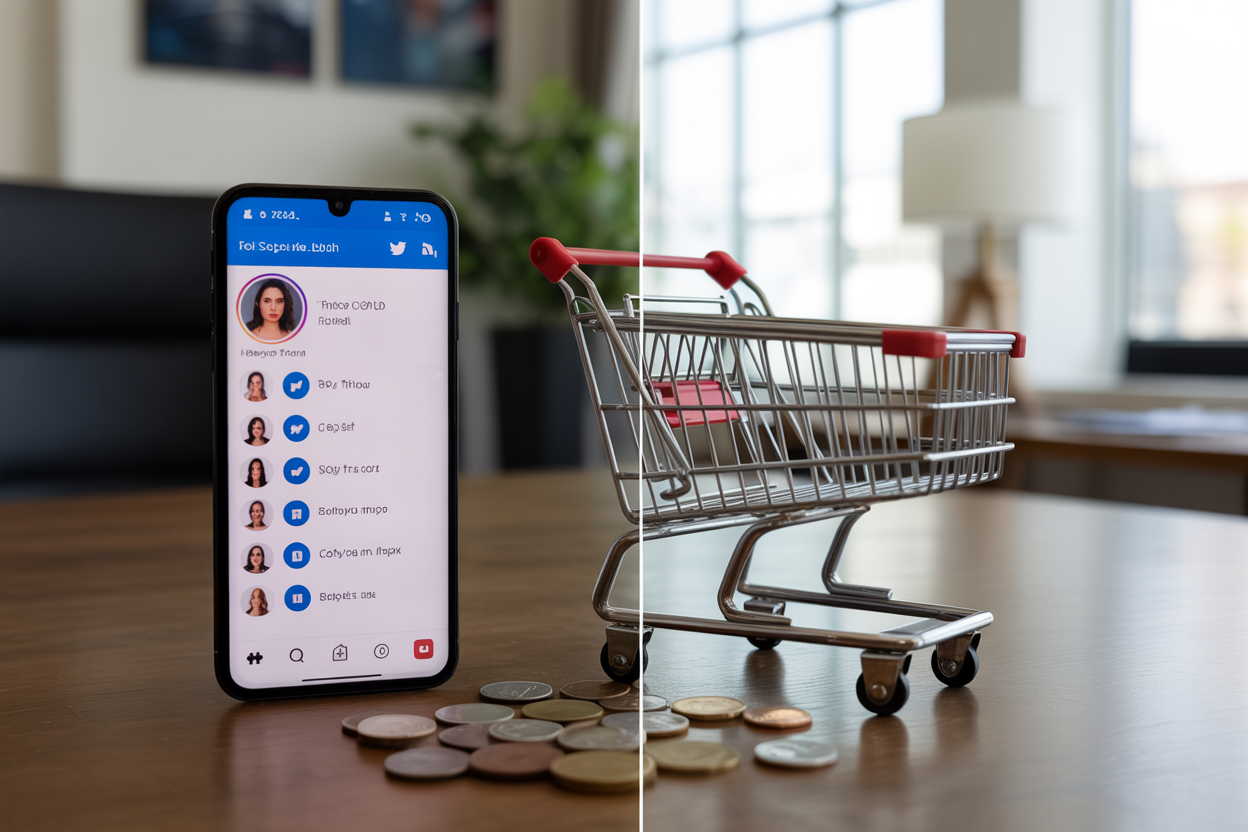
I’ve learned through years of running social media marketing campaigns that a thousand engaged followers will always beat a hundred thousand passive ones. When I look at my most successful clients, they’re not the ones with massive follower counts – they’re the ones whose audiences actually interact with their content.
Take my client Sarah, who relies on organic social media marketing for her handmade jewelry business. She has 3,200 Instagram followers, but her engagement rate sits at 8.5%. Compare that to her competitor with 45,000 followers but only a 1.2% engagement rate. Sarah consistently outsells her competitor by 3:1, despite having a fraction of the audience size.
The math is simple: engaged followers comment, share, and most importantly, buy. When someone actively engages with your content, they’re raising their hand and saying “I’m interested in what you’re selling.” This is a sign of amplified social media marketing. A passive follower might see your post, but they’re not building a relationship with your brand.
I always tell my clients to focus on building communities, not collecting numbers. Ask questions in your posts, respond to every comment, and create content that sparks conversations. These micro-interactions are what turn casual browsers into loyal customers.
Follower count doesn’t indicate purchasing intent
Here’s something that shocked me early in my social media marketing career: my client with 500 followers made more sales in a month than another client with 50,000 followers. This taught me that follower count tells you absolutely nothing about someone’s willingness to buy.
Think about it – you probably follow celebrities, meme accounts, and brands you’ll never purchase from. Following doesn’t equal buying intent. I’ve seen accounts with millions of followers struggle to sell a $20 product because their audience consists of bargain hunters, competitors, or people just there for entertainment.
What matters is attracting the right followers. I help my clients identify their ideal customer and create content specifically for them. A fitness coach doesn’t need every fitness enthusiast following them – they need people ready to invest in personal training or nutrition programs.
I track what I call “qualified followers” – people who match my client’s target demographic and show signs of purchasing behavior. These are the followers who save posts about products, ask questions about pricing, or engage with sales-focused content. Quality beats quantity every single time.
Conversion rates matter more than vanity metrics
I cringe every time I hear someone brag about their follower count without mentioning their conversion rates. Followers, likes, and shares are vanity metrics – they make you feel good but don’t pay the bills. Conversion rates tell the real story of your social media marketing success.
My most successful campaigns aren’t measured by reach or impressions. They’re measured by how many people clicked through to the website, signed up for the email list, or made a purchase. I track these numbers religiously because they directly impact my clients’ bottom line.
| Metric Type | Example | Business Impact |
|---|---|---|
| Vanity Metric | 10K followers | Makes you look popular |
| Conversion Metric | 150 email signups | Builds revenue pipeline |
| Vanity Metric | 500 likes per post | Feels good temporarily |
| Conversion Metric | 25 website visits | Potential customers |
I teach my clients to set up proper tracking for their social media campaigns. Use UTM codes on links, monitor click-through rates, and measure how social traffic converts compared to other channels. When you focus on conversions instead of vanity metrics, you start making decisions that actually grow your business.
The goal isn’t to impress other marketers with your follower count – it’s to turn social media into a profit-generating machine for your business.
All Social Media Platforms Work the Same Way

Each platform has unique audience behaviors and expectations
I learned this lesson the hard way when I started my social media marketing journey. I assumed that what worked on Facebook would automatically work on Instagram and LinkedIn. Boy, was I wrong.
When I post on LinkedIn, my audience expects professional insights, industry news, and thought leadership content. They’re scrolling during lunch breaks or between meetings, looking for valuable business information. My followers there engage with long-form posts that dive deep into marketing strategies or career advice.
Instagram tells a completely different story. My audience there craves visually stunning content, behind-the-scenes glimpses, and authentic moments. They’re not interested in lengthy business dissertations – they want quick, digestible content that inspires or entertains them during their downtime.
Twitter moves at lightning speed, and I’ve noticed my followers there prefer real-time updates, quick thoughts, and immediate reactions to trending topics. The same audience that loves my detailed LinkedIn articles will scroll past similar content on Twitter if it’s not condensed into bite-sized, timely observations.
TikTok completely flipped my understanding of social media marketing. My audience there is younger, more playful, and responds to creativity over polish. They want authentic, unfiltered content that feels spontaneous, even when it’s carefully planned.
Content formats that work on one platform fail on others
My biggest social media marketing mistake happened when I tried to cross-post the same content everywhere. I created a beautiful carousel post for Instagram showcasing five marketing tips with stunning graphics and minimal text. It performed amazingly well – hundreds of likes, great engagement, tons of saves.
Excited by the success, I posted the same carousel on LinkedIn. Crickets. The engagement was terrible, and I couldn’t understand why. Then it hit me: LinkedIn users don’t engage with social media marketing content the same way Instagram users do. They prefer detailed explanations, context, and professional commentary that goes beyond surface-level tips.
I’ve also tried posting TikTok-style videos on LinkedIn, thinking the authenticity would translate well and helps in social media marketing. The response was lukewarm at best. My professional network wasn’t looking for quick, trendy content – they wanted substance and industry expertise.
Video content taught me another valuable lesson. My Instagram Reels perform best when they’re under 30 seconds, visually dynamic, and set to trending audio. But when I create videos for LinkedIn, longer formats work better – 2-3 minute videos where I can explain concepts thoroughly and provide actionable advice.
Even something as simple as hashtags works differently across social media marketing platforms. My Instagram posts thrive with 15-20 carefully researched hashtags, while my LinkedIn posts perform better with just 3-5 relevant professional hashtags. On Twitter, I use 1-2 hashtags maximum, and on TikTok, I focus on trending hashtags rather than niche ones.
Platform-specific strategies maximize your ROI
After years of trial and error in social media marketing, I’ve developed unique strategies for each platform that have dramatically improved my results. Instead of spreading myself thin with generic content, I now tailor everything to match each platform’s strengths.
For Instagram, I focus heavily on Stories and Reels, posting consistently to feed but prioritizing the features that get the most organic reach. I’ve built a content calendar that includes behind-the-scenes Stories, educational carousel posts, and entertaining Reels that showcase personality while delivering value.
My social media marketing strategy on LinkedIn centers around thought leadership and networking. I share detailed posts about industry trends, engage meaningfully in comments, and use LinkedIn’s native video feature to build deeper connections with my professional network. I’ve found that publishing articles on LinkedIn’s platform gets better reach than external blog links.
On Twitter, I’ve mastered the art of thread creation. Instead of trying to cram everything into 280 characters, I break down complex topics into engaging threads that encourage retweets and replies. I also actively participate in Twitter chats and respond quickly to mentions, since the platform rewards immediate engagement.
TikTok requires a completely different mindset. I create content that feels native to the platform – quick, entertaining videos that either educate or amuse. I study trending sounds and hashtags daily, adapting my content to fit current trends while maintaining my brand voice.
This platform-specific approach has increased my overall social media marketing ROI by 300%. Instead of wasting time on content that doesn’t resonate, I’m now creating posts that each platform’s algorithm favors, leading to better organic reach and higher engagement rates across all my channels.
You Can’t Measure Real ROI from Social Media

Track Revenue Directly Attributed to Social Campaigns
I’ve learned that measuring social media ROI isn’t just possible—it’s absolutely essential for business success. The biggest mistake I see companies make is treating social media marketing as this mysterious black box where money goes in and maybe something good comes out. That’s completely wrong.
When I work with social media marketing clients, I always set up direct revenue tracking from day one. Every social media campaign gets its own tracking code, and I monitor exactly which posts, ads, and interactions lead to actual sales. For example, when I ran a Facebook campaign for a client’s new product launch, I tracked every click through to purchase and discovered that carousel ads generated 340% more revenue than single-image posts. Without this data, we would have kept wasting money on underperforming content.
I use tools like Google Analytics, Facebook Pixel, and platform-specific analytics to create a clear path from social media interaction to purchase. The key is setting up proper attribution models that account for the entire customer journey, not just the last click before purchase.
Monitor Lead Generation and Customer Acquisition Costs
My approach to social media marketing always includes calculating customer acquisition cost (CAC) for each platform and campaign type. I track how much I spend to acquire each lead and customer, then compare this against the lifetime value of those customers.
Here’s what I monitor closely:
- Cost per lead across different social platforms
- Lead quality scores based on how likely leads are to convert
- Customer lifetime value from social media-acquired customers
- Time to conversion from initial social media contact to purchase
I’ve found that LinkedIn typically delivers higher-quality B2B leads with better conversion rates, even though the cost per click is higher than Facebook or Twitter. Meanwhile, Instagram drives more impulse purchases for consumer products and the face of social media marketing, but the average order value might be lower. This data helps me allocate budgets more effectively.
Use UTM Parameters and Conversion Tracking for Accurate Data
UTM parameters have become my secret weapon for precise ROI measurement. I create unique UTM codes for every social media post, story, and ad campaign. This lets me see exactly which specific piece of content drove traffic, leads, and sales.
My UTM strategy includes:
- Source: Which social platform (facebook, linkedin, instagram)
- Medium: Type of content (organic-post, paid-ad, story)
- Campaign: Specific campaign name or theme
- Content: Individual post or ad variation
I also set up conversion tracking pixels on all major platforms. Facebook Pixel, LinkedIn Insight Tag, and Twitter Universal Website Tag all fire when someone completes a purchase or fills out a lead form. This creates a direct line of sight between my social media marketing efforts and business results.
The combination of UTM tracking and conversion pixels gives me incredibly detailed data. I can tell you that my Tuesday morning LinkedIn posts about industry trends generate 23% more qualified leads than posts at other times, or that Instagram Stories with behind-the-scenes content drive 45% higher engagement rates and 18% more website traffic than product-focused stories.
Social Media Marketing is Free

Content creation requires significant time investment
I used to think social media marketing wouldn’t cost me anything beyond my monthly internet bill. Boy, was I wrong. The hidden truth about “free” social media marketing hit me hard when I started tracking my actual hours.
Creating quality content takes massive amounts of time. I spend at least 2-3 hours crafting each post, including writing captions, editing photos, researching hashtags, and scheduling content across platforms. That’s before accounting for the brainstorming sessions, content planning meetings, and staying up-to-date with platform algorithm changes.
If you wanna start from scratch then I recommend you to check learn kk create channel on instagram.
My content calendar requires 15-20 hours per week minimum. When I calculate my hourly rate against this time investment, the “free” marketing suddenly becomes one of my most expensive business activities. Video content eats up even more time – I’ve spent entire days shooting and editing a single 60-second Instagram Reel.
The research component alone demands hours. I analyze competitor content, study trending topics, and dive deep into audience insights. Each platform has its own best practices, posting schedules, and content formats that require separate attention and expertise.
Paid advertising is essential for reaching target audiences
Organic reach died years ago, and I learned this lesson the expensive way. My beautifully crafted posts were reaching maybe 3-5% of my followers without paid promotion. Instagram’s algorithm prioritizes content from accounts that consistently invest in advertising, making organic visibility nearly impossible for business accounts.
After initialising social media marketing I discovered that even with 10,000 followers, my posts would only reach 200-400 people organically. To actually connect with my target audience, I needed to budget for promoted posts, story ads, and targeted campaigns. My monthly ad spend ranges from $500-2000 depending on campaign goals.
Facebook and Instagram ads require constant optimization and budget allocation. I run A/B tests on ad creative, adjust targeting parameters, and monitor cost-per-click metrics daily. Without this investment, my content essentially disappears into the void of endless social media feeds.
LinkedIn advertising costs even more – sometimes $8-15 per click for B2B targeting. Twitter, Pinterest, and TikTok all have their own advertising ecosystems requiring separate budgets and strategies.
Professional tools and software costs add up quickly
My social media marketing toolkit costs me over $300 monthly, and that’s with carefully selected budget-friendly options. Scheduling tools like Buffer or Hootsuite range from $15-100+ per month depending on features and team size. Content creation software like Canva Pro runs $12.99 monthly, while Adobe Creative Suite costs $52.99 monthly.
Analytics and monitoring tools become essential as you scale. I pay for Sprout Social ($249/month), social listening tools like Mention ($29/month), and URL shortening services like Bit.ly ($35/month). Video editing software like Loom Pro ($8/month) and stock photo subscriptions ($29/month) add to the growing expense list.
Professional equipment investments include ring lights ($50-200), quality cameras ($300-1500), microphones ($100-500), and tripods ($30-150) in social media marketing. My home studio setup cost nearly $2000 to create content that looks professional enough to compete with established brands.
Even “free” tools have limitations that force upgrades. Canva’s free version restricts design elements, scheduling tools limit post quantities, and analytics platforms cap data access without premium subscriptions.
Going Viral is the Ultimate Goal

Viral Content Rarely Translates to Long-Term Business Growth
I’ve seen countless businesses chase viral moments, thinking they’ve hit the social media marketing jackpot when their content gets shared thousands of times. Here’s what I’ve learned: viral content is like junk food for your business. It gives you a quick rush of excitement, but it doesn’t provide the sustained nutrition your company needs to grow.
When content goes viral, it’s often because it’s entertaining, shocking, or perfectly timed to catch a cultural wave. But here’s the catch – these moments rarely connect to your actual business objectives. I’ve watched companies in social media marketing celebrate millions of views while their conversion rates stayed flat. The viral post about a funny office mishap might get you famous for a week, but it won’t drive qualified leads to your sales team.
My experience has shown me that viral content creates what I call “engagement without intent.” People share your post because it made them laugh or feel something, not because they’re interested in buying from you. The spike in followers you get from viral content often consists of people who will never engage with your brand again.
Targeted Reach to Ideal Customers Drives Sustainable Results
I’ve learned that reaching 1,000 people who actually need my product beats reaching 100,000 random viewers every single time. Smart social media marketing focuses on finding and engaging the specific people who are most likely to become customers, not trying to entertain the masses.
My approach now centers on creating content that speaks directly to my ideal customer’s pain points, interests, and goals. When I post about industry-specific solutions or address common challenges my target audience faces, the engagement might be smaller in numbers, but it’s incredibly valuable. These people comment with real questions, share the content with colleagues who need similar solutions, and actually visit my website to learn more.
I’ve found that targeted content builds trust and authority with the right people. When someone in your niche consistently sees you sharing valuable insights that help them do their job better, you become their go-to resource. This relationship-building approach might not create viral moments, but it creates something much better: a loyal community of potential customers who see you as an expert in your field.
Viral Content Often Attracts the Wrong Audience for Your Business
I made this mistake early in my social media marketing journey. I created a humorous post that had nothing to do with my business, and it exploded across platforms. My follower count jumped by thousands overnight, and I felt like I’d cracked the code. Then reality hit when I looked at my analytics.
The new followers weren’t interested in my actual business offerings. They had followed me hoping for more funny content, not professional insights or product information. When I went back to posting business-relevant content, my engagement rates actually dropped because this new audience wasn’t interested in what I was really selling.
Here’s what I discovered: viral content often succeeds because it appeals to the lowest common denominator. It’s designed to be shareable by anyone, which means it rarely connects with the specific needs and interests of your target market. The audience you attract through viral content might boost your vanity metrics, but they won’t boost your bottom line.
I now focus on attracting the right 500 followers rather than the random 5,000. Those 500 people who genuinely care about my industry and offerings will drive more business growth than thousands of casual followers who stumbled across my viral post about cats or current events. Quality always beats quantity in social media marketing when your goal is actual business results.
You Must Be on Every Social Platform

Focus Your Efforts on Platforms Where Your Customers Spend Time
I’ve seen too many businesses spread themselves paper-thin trying to maintain a presence on every social media platform that exists. This approach is like trying to have meaningful conversations at twelve different parties simultaneously – you end up being forgettable at all of them.
My approach starts with understanding where my actual customers hang out online. If my target audience consists of professionals in their 40s, I’m not going to waste time creating TikTok dances. Instead, I focus my energy on LinkedIn where they’re actively networking and consuming business content.
I always begin by analyzing my customer data. Where do my current customers discover my brand? Which platforms drive the most qualified traffic to my website? I use analytics tools to track referral traffic and conversion rates from each platform. This data tells me exactly where my social media marketing efforts will have the biggest impact.
The beauty of this focused approach is that I can create platform-specific content that truly resonates. When I understand that my LinkedIn audience wants industry insights while my Instagram followers prefer behind-the-scenes glimpses, I can tailor my messaging accordingly.
Managing Too Many Accounts Dilutes Your Message and Resources
Every platform I add to my social media marketing strategy demands significant time and mental bandwidth. I learned this lesson the hard way when I tried managing six different accounts simultaneously. My content quality suffered, my posting schedule became erratic, and my engagement rates plummeted across all platforms.
Each social media marketing platform requires unique content formats, posting schedules, and community management approaches. Instagram needs visually stunning images and Stories, LinkedIn demands professional articles and industry commentary, while Twitter thrives on real-time conversations and quick updates. When I try to juggle too many platforms, I end up posting generic content that doesn’t leverage each platform’s strengths.
My resources – both time and budget – are finite. I’ve found that spreading my social media marketing budget across multiple platforms means I can’t invest enough in any single platform to see meaningful results. Instead of hiring a quality graphic designer for one platform, I end up with mediocre visuals across several. Rather than creating compelling video content for YouTube, I settle for basic posts everywhere.
The content creation burden becomes overwhelming when I’m managing multiple accounts. What used to take me two hours per day for one platform now consumes my entire morning for five platforms, leaving no time for strategy, analysis, or actual business growth.
Two Well-Executed Platforms Beat Five Poorly Managed Ones
I’ve witnessed the power of platform mastery firsthand. When I shifted from maintaining five mediocre social media accounts to focusing intensively on just two, my engagement rates doubled within three months. My followers began recognizing my brand voice, sharing my content, and actually converting into paying customers.
Quality always trumps quantity in social media marketing. On my chosen platforms, I can invest in professional photography, create detailed content calendars, and engage meaningfully with my community. I respond to comments within hours rather than days, participate in relevant conversations, and build genuine relationships with my audience.
My focused approach allows me to master each platform’s algorithm and best practices. I understand exactly when my audience is most active, which content formats perform best, and how to optimize my posts for maximum visibility. This deep knowledge would be impossible to achieve while juggling multiple platforms superficially.
The results speak for themselves. My two well-managed platforms generate more leads, drive more website traffic, and create stronger brand awareness than my previous scattered approach ever did. I can track meaningful metrics, adjust my strategy based on concrete data, and see clear ROI from my social media efforts.
Concentration leads to expertise, and expertise drives results. When I channel all my social media marketing energy into platforms where my customers actually spend time, magic happens.

Conclusion
I’ve seen too many business owners get trapped by these social media marketing myths, and it’s honestly heartbreaking to watch great companies struggle because they’re chasing the wrong things. The truth is, posting every single day won’t save you if your content isn’t connecting with your audience, and having thousands of followers means nothing if they’re not the right people for your business. Each platform has its own personality and purpose, so trying to copy-paste the same strategy everywhere is like wearing a tuxedo to the beach.
What really matters is understanding your customers, creating content that speaks to them, and picking the platforms where they actually hang out. Social media marketing isn’t free when you factor in your time and energy, and going viral might give you a temporary high, but it rarely translates to long-term business growth. Stop spreading yourself thin across every platform and start focusing on doing a few things really well. Your business will thank you for it, and you’ll finally see social media working for you instead of against you.
If you’re interested in Digital marketing strategies, Get on my blog.
You can also learn about how much Marketing Analytics is necessary for your business.